
This blog post may contain affiliate links. Learn more.
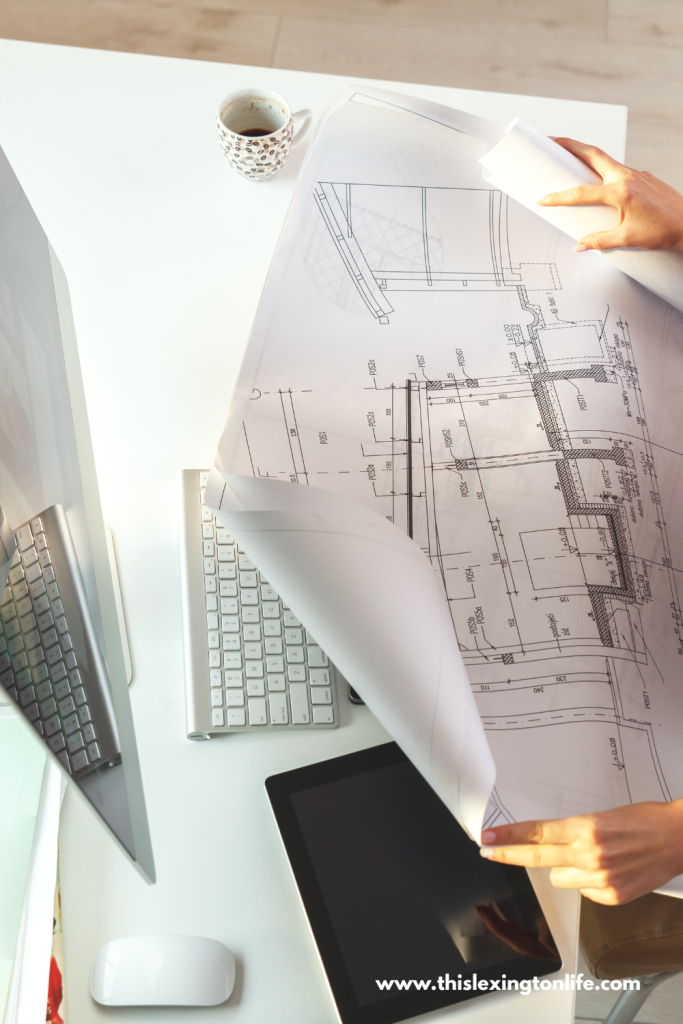
For most homeowners, moving isn’t the dream. In fact, the majority of people would rather renovate than pack up their lives and leave a neighborhood they love. Lately, though, more families are choosing a different route altogether: tearing down an existing structure and building something entirely new on the same piece of land.
I get the appeal. You keep the location you love, the schools, the memories, and the routines, while creating a home that actually fits your life now. But while this approach can feel like the best of both worlds, it’s also a process filled with details that are easy to underestimate until you’re already knee-deep in decisions and invoices.
If you’re considering a teardown and rebuild, here are a few things people often overlook that can add time, stress, and unexpected costs to the process.
Zoning Rules and Local Restrictions Matter More Than You Think
Owning the land doesn’t automatically mean you can build whatever you want. Zoning laws, HOA rules, historic districts, and neighborhood overlays can all influence what’s allowed on your property.
These restrictions may include height limits, setback requirements, lot coverage rules, or even exterior design standards. When plans don’t comply, they can be rejected, forcing you back to square one and adding thousands in redesign fees.
In some cases, you may also need environmental reviews or community appraisals before approval is granted. These steps take time and money, so it’s important to research local planning requirements early. Doing this upfront can save you from costly delays later.
Site Prep Is More Than Just Knocking the House Down
Demolition is only the beginning. Once the old structure is gone, the real work starts. Clearing trees, testing soil, grading the land, addressing drainage, disconnecting utilities, and handling any hazardous materials are all part of the process.
When it comes to preparing your land for a new build, this stage is absolutely essential. The ground needs to properly support your future home. Skipping steps or underestimating this phase can cause serious structural issues down the road. It’s not glamorous work, but it’s foundational in every sense of the word.
Utility Upgrades Can Blow the Budget Fast
One of the biggest surprises homeowners face is outdated infrastructure. Older homes often sit on sewer lines, water connections, gas lines, and electrical systems that don’t meet current building codes.
Even if the home you’re tearing down isn’t that old, your new layout may require relocating or upgrading utilities. Upgrading electricity alone can cost thousands of dollars, and when you start stacking multiple upgrades together, the total can climb quickly. This is one of the most commonly underestimated parts of a rebuild budget.
Starting over with a brand-new home can be incredibly rewarding, but it’s not a decision to rush into. The more research you do ahead of time, the more prepared you’ll be for the realities of the process. Understanding zoning rules, site preparation needs, and utility upgrades allows you to budget realistically and move forward with confidence.
Building new on land you already love can absolutely be worth it. You just want to make sure there are no surprises standing between you and the home you’re dreaming of.